
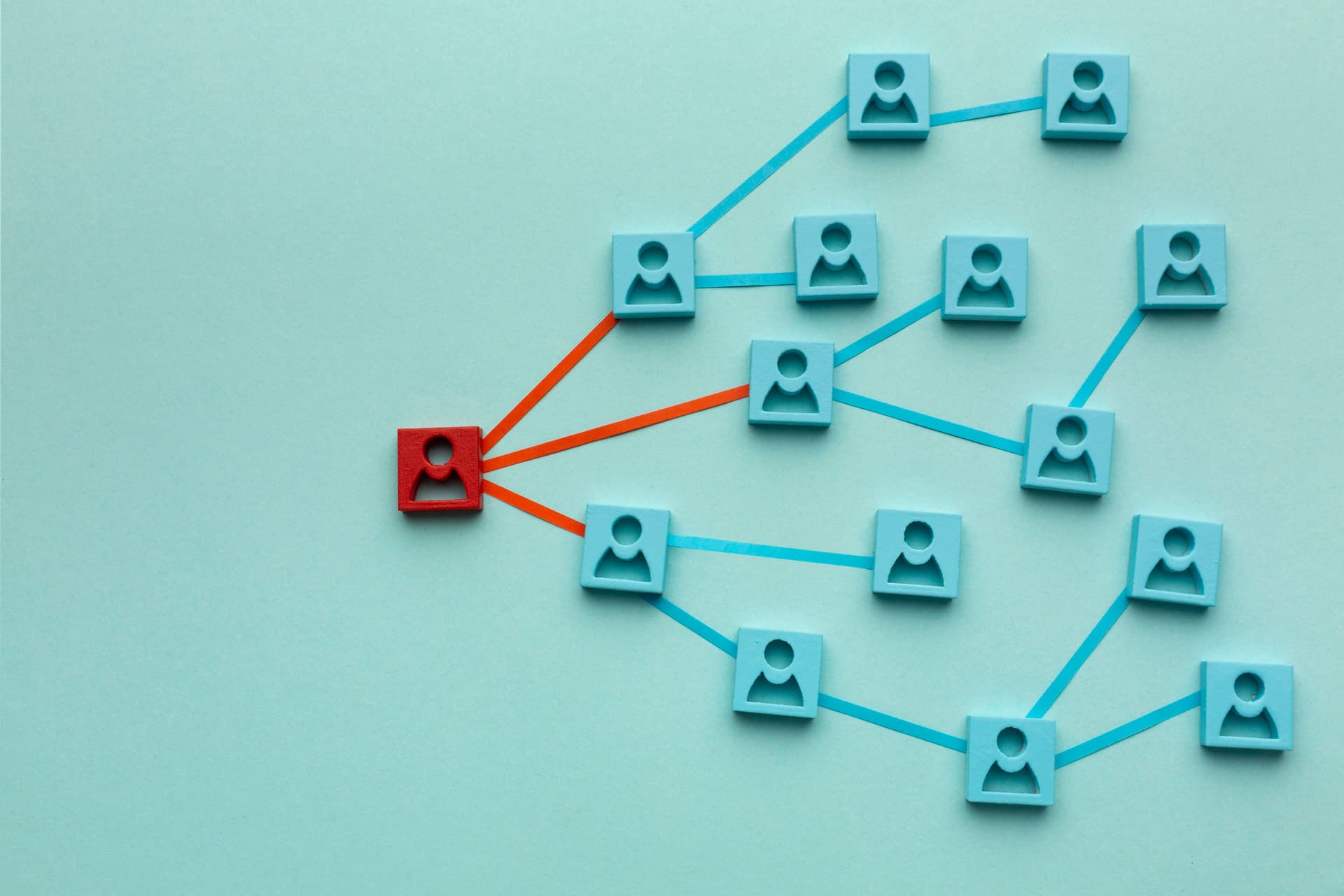
A lead scraper is an automated tool that extracts contact details, company data, and prospect information from publicly available websites to build targeted sales lists. It collects names, emails, phone numbers, job titles, and firmographic data from sources like business directories, professional networks, and company websites, delivering structured lead databases in minutes instead of weeks.
With 91% of B2B marketers ranking lead generation as their top priority in 2025 and 58% calling it their biggest challenge, lead scraping has become the most efficient way to solve the prospecting bottleneck. Manual research simply cannot keep pace with the volume and speed modern sales teams demand.
This guide covers how lead scraping works, what data it captures, the business use cases it enables, and how to choose between DIY tools and managed solutions. We also explain why businesses across industries trust Xwiz Analytics to deliver clean, compliant, and outreach-ready lead data at scale.
A lead scraper is software that automatically crawls publicly available web pages, extracts prospect data from them, and organizes that data into structured formats like CSV, Excel, or JSON. It replaces the manual process of browsing websites and copying contact details one by one, saving sales teams an estimated 10 to 15 hours per week on prospecting.
The global B2B lead generation market is projected to reach $32.85 billion by 2035, growing at 11.33% annually. Data-driven prospecting powered by lead scraping is one of the fastest-growing segments within that market.
Web scraping for lead generation works by sending automated HTTP requests to target websites, retrieving the HTML content, and parsing it to extract specific data fields like names, emails, and company details. The extracted data is then cleaned, deduplicated, verified, and delivered in a structured format ready for CRM import.
Here is the step-by-step process:
Xwiz Analytics handles this entire pipeline as a managed service. Businesses receive verified lead lists without needing any technical infrastructure.
A lead scraper can extract any publicly visible data field from a web page. For B2B sales, the most valuable data points combine contact-level information with firmographic details that help qualify and segment prospects.
| Data Point | Description | Sales Application |
|---|---|---|
| Full Name | First and last name of the prospect | Personalized email outreach |
| Job Title / Role | Current position and seniority level | Decision-maker targeting |
| Email Address | Professional or business email | Direct outbound campaigns |
| Phone Number | Business phone or direct line | Cold calling and follow-ups |
| Company Name | Organization the prospect works at | Account-based targeting |
| Industry / Sector | Business classification or vertical | Segment-specific messaging |
| Company Size | Employee count or revenue range | ICP qualification filtering |
| Location | City, state, country of business | Geo-targeted campaigns |
| Website URL | Company website address | Research and ad retargeting |
| Social Profiles | LinkedIn, Twitter, or other profiles | Multi-channel outreach |
When combined, these data points let sales teams build segmented prospect lists that match their ideal customer profile precisely. This eliminates reliance on generic, outdated databases.
Lead generation web scraping is essential because B2B sales teams need a constant flow of fresh, accurate prospect data to maintain pipeline velocity. Static lead databases decay at roughly 30% per year as people change jobs and contact details become outdated. Scraping delivers real-time data that reflects the current market.
Companies with mature lead generation processes are three times more likely to hit revenue goals. Yet 42% of businesses cite low-quality leads as a major challenge, often caused by purchased lists or manual research that cannot scale.
Manual lead research fails because it is too slow, too error-prone, and too expensive to sustain. An SDR spending 3 to 4 hours per day researching prospects is an SDR not selling. Across a ten-person team, that equals 150 to 200 hours per week of non-revenue activity.
Quality degrades alongside speed. Manual research introduces misspelled names, outdated titles, wrong email formats, and incomplete company data. These errors cascade through the outreach workflow, reducing deliverability and response rates.
Industry data shows that 80% of generated leads never convert to customers. Poor data quality is a primary driver. Automated lead scraping with built-in validation dramatically increases the percentage of actionable leads in the pipeline.
Automated tools that scrape leads shift the sales model from research-heavy to outreach-heavy. Reps spend their time crafting messages and building relationships instead of hunting for contact details.
Web scraping leads also enables targeting precision that manual methods cannot match. Need every VP of Marketing at SaaS companies with 50 to 200 employees in North America? A lead scraper builds that list in hours, not weeks.
This precision directly impacts conversion. Personalized email campaigns achieve 29% higher open rates and 41% higher click-through rates. But personalization requires the firmographic and contact-level data that lead scraping delivers at scale.
| Factor | Manual Lead Research | Automated Lead Scraping |
|---|---|---|
| Speed | 30 to 50 leads per day per SDR | Thousands of leads per hour |
| Data accuracy | Prone to human error and typos | 99%+ with automated validation |
| Cost per lead | High (labor-intensive) | Low at scale (fraction of manual cost) |
| Freshness | Stale within weeks | Real-time or daily refresh possible |
| Scalability | Limited by headcount | Scales to millions of records |
| Segmentation depth | Basic (industry, location) | Granular (title, size, tech stack, revenue) |
| SDR productivity | 60% time on research, 40% selling | 90%+ time on selling activities |
Lead scraping is used for B2B outbound prospecting, recruitment sourcing, local business outreach, brand monitoring, and competitive intelligence. The specific use case determines which sources are scraped, what fields are extracted, and how the data is structured for delivery.
Below are the most impactful applications that businesses use to accelerate pipeline growth.
Database lead scraping involves extracting prospect records from online directories, company databases, and professional networks to build comprehensive B2B contact lists. Common sources include LinkedIn, Crunchbase, industry directories, and company "About Us" pages.
The value lies in specificity. Instead of buying a generic list of "marketing managers in the US," scraping lets you filter by exact criteria: companies that raised Series B in the last 12 months, SaaS firms using specific tech stacks, or manufacturers in a particular region above a revenue threshold.
Research shows companies using intent-driven, targeted data see 40% shorter sales cycles and 3x more qualified opportunities compared to broad-based outreach.
An outbound leads scraping tool is designed specifically to feed outbound sales workflows. It scrapes contact data from multiple sources, validates email deliverability, enriches records with firmographic details, and pushes the dataset directly into a CRM or sales engagement platform.
The best outbound scraping workflows integrate three stages: discovery (finding the right companies), enrichment (adding decision-maker contacts), and validation (verifying emails and phone numbers). Each stage uses different sources and techniques.
This ensures no bounced emails eating into sender reputation, no calls to disconnected numbers, and no sequences sent to people who left the company months ago.
To get sales leads at scale, businesses use automated web scraping to extract prospect data from multiple online sources simultaneously. Instead of relying on a single lead database vendor with potentially outdated records, scraping pulls data directly from websites, directories, and registries.
Xwiz Analytics builds custom scraping pipelines for clients who need sales leads data at volumes from a few thousand to hundreds of thousands of records per month. Each pipeline is tailored to the client's ICP, data fields, and refresh schedule.
| Industry | Lead Scraping Use Case | Key Data Sources |
|---|---|---|
| SaaS / Technology | Decision-maker prospecting by tech stack | LinkedIn, Crunchbase, G2, company sites |
| Recruitment / Staffing | Candidate sourcing and company mapping | LinkedIn, job boards, professional networks |
| Real Estate | Property owner and agent contact building | Zillow, Realtor.com, county records |
| Marketing Agencies | Local business outreach for acquisition | Google Maps, Yelp, industry directories |
| Financial Services | High-net-worth targeting | SEC filings, financial directories, LinkedIn |
| Healthcare | Physician and clinic contact databases | NPI databases, hospital directories |
| Ecommerce | Seller and vendor outreach | Marketplace profiles, Shopify stores |
Lead scraping software ranges from simple browser extensions to enterprise-grade platforms that crawl millions of records across multiple sources. The right choice depends on volume requirements, technical capabilities, compliance needs, and budget.
Understanding the landscape helps businesses avoid tools that break when websites update, free scrapers that produce unverified data, or DIY scripts that require constant engineering maintenance.
The most critical factor in lead scraper software is data accuracy. A scraper capturing 10,000 leads at 60% accuracy produces 4,000 bad records that waste sales time and damage email sender reputation.
Anti-detection capability matters equally. Websites deploy rate limiting, CAPTCHAs, and IP blocking against automated access. Lead scraper tools without proxy rotation and browser fingerprint management fail consistently at scale.
Compliance is non-negotiable. The best lead scraping tools only collect publicly available data and document their sources, collection methods, and handling practices to protect businesses from GDPR and CCPA risk.
DIY lead scraping tools offer control but carry hidden costs: engineering time, proxy subscriptions, server infrastructure, and ongoing debugging when target websites change structure. These costs add up quickly for teams without dedicated scraping engineers.
Managed solutions like Xwiz Analytics eliminate those costs entirely. The client defines what data they need, and Xwiz handles everything from infrastructure to delivery.
For companies where lead generation is a core function but building scraping technology is not, managed services deliver better ROI and faster time-to-data.
| Feature | DIY Lead Scraping Tools | Managed Service (Xwiz Analytics) |
|---|---|---|
| Setup time | Days to weeks (coding required) | 24 to 48 hours (define requirements) |
| Technical skill | Python, HTML parsing, proxy setup | None required (fully managed) |
| Maintenance | Ongoing (sites change, scrapers break) | Handled by Xwiz engineering team |
| Data validation | Manual or semi-automated | Multi-layer automated verification |
| Anti-detection | Separate proxy subscription needed | Included (residential proxy pools) |
| Scale | Limited by infrastructure budget | Millions of records per project |
| Compliance | Self-managed (risk on business) | GDPR-compliant, documented processes |
| Cost model | Upfront + ongoing maintenance | Pay per project or subscription |
Xwiz Analytics is a leading data scraping company that delivers end-to-end lead intelligence: from source identification and extraction to cleaning, enrichment, verification, and formatted delivery. Every dataset is built to be outreach-ready from the moment it arrives.
Unlike generic tools that dump raw, unverified data, Xwiz combines deep technical scraping expertise with a clear understanding of what makes lead data useful for outbound sales and pipeline growth.
Xwiz Analytics maintains 99%+ data accuracy through automated validation pipelines that cross-reference extracted records, verify email deliverability, and flag stale entries before delivery. Inaccurate data wastes sales time and damages sender reputation, so accuracy is treated as non-negotiable.
Compliance is built into every project. Xwiz only scrapes publicly available data, follows GDPR-compliant handling practices, and never collects private or login-protected information.
On scale, Xwiz handles projects from 5,000 leads for targeted ABM campaigns to 500,000+ records for nationwide outbound pushes. The infrastructure scales without compromising speed or quality.
Xwiz structures sales leads data delivery around three principles: relevance, freshness, and usability.
Relevance means every record matches the client's defined Ideal Customer Profile. Before scraping begins, the team defines targeting criteria including job titles, industries, company sizes, and geographic regions.
Freshness means data reflects current reality. Contact details and job titles are scraped at project time, not pulled from a months-old static database. Recurring clients receive weekly, bi-weekly, or monthly refreshes.
Usability means data arrives ready to use. Datasets are delivered in CSV, Excel, JSON, or CRM-compatible formats with standardized fields, deduplication, and email verification status included.
What every Xwiz lead scraping project includes:
A lead scraper is an automated tool that extracts contact and company information from publicly available websites, directories, and professional networks. It structures this data into organized lists used for outbound prospecting, email campaigns, and pipeline building.
Web scraping for lead generation sends automated requests to target websites, parses the HTML to extract data fields like names, emails, and company details, then cleans and structures the data into ready-to-use lead lists. The process includes proxy rotation, anti-detection, and email verification.
Scraping publicly available data is generally legal in most jurisdictions. It is important to avoid login-protected information, comply with GDPR and CCPA, and respect website terms of service. Xwiz Analytics only extracts publicly accessible data following ethical scraping standards.
Lead scraping generates fresh, targeted data in real time based on your specific criteria. Purchased lead lists are often static, months old, and sold to multiple buyers, reducing their effectiveness and giving competitors the same contacts.
Accuracy depends on the tool and validation process. Basic free tools may deliver 60-70% accuracy, while professional solutions like Xwiz Analytics achieve 99%+ through multi-layer email verification, deduplication, and source cross-referencing.
Common mistakes include scraping without a clear ICP definition, ignoring compliance requirements, prioritizing quantity over quality, and failing to clean or verify the extracted data. Proper setup and validation are essential for usable results.
Use automated lead scraping to extract prospect data from multiple online sources, validate emails, enrich with firmographic details, and import into your CRM. Managed providers like Xwiz Analytics deliver tens of thousands of verified leads per project, customized to your ICP.
B2B lead generation in 2025 is a data game. The companies that win are those with the freshest, most accurate prospect data feeding their pipelines daily. A well-configured lead scraper backed by professional infrastructure is the most efficient path to that advantage.
From database lead scraping for targeted B2B prospecting to large-scale outbound campaigns powered by verified sales leads data, automated lead scraping eliminates the research bottleneck that slows teams and inflates acquisition costs.
Xwiz Analytics makes lead scraping simple, scalable, and compliant. Define your ideal customer profile, and let the Xwiz team deliver the data your sales organization needs to grow. Reach out today to discuss your requirements and receive a free data sample.
Get custom, verified lead lists built to your exact specifications. Let Xwiz Analytics power your outbound sales.
Start Your Lead Data Project →